
The Impact of Hard Water in Valdosta and How to Clean It
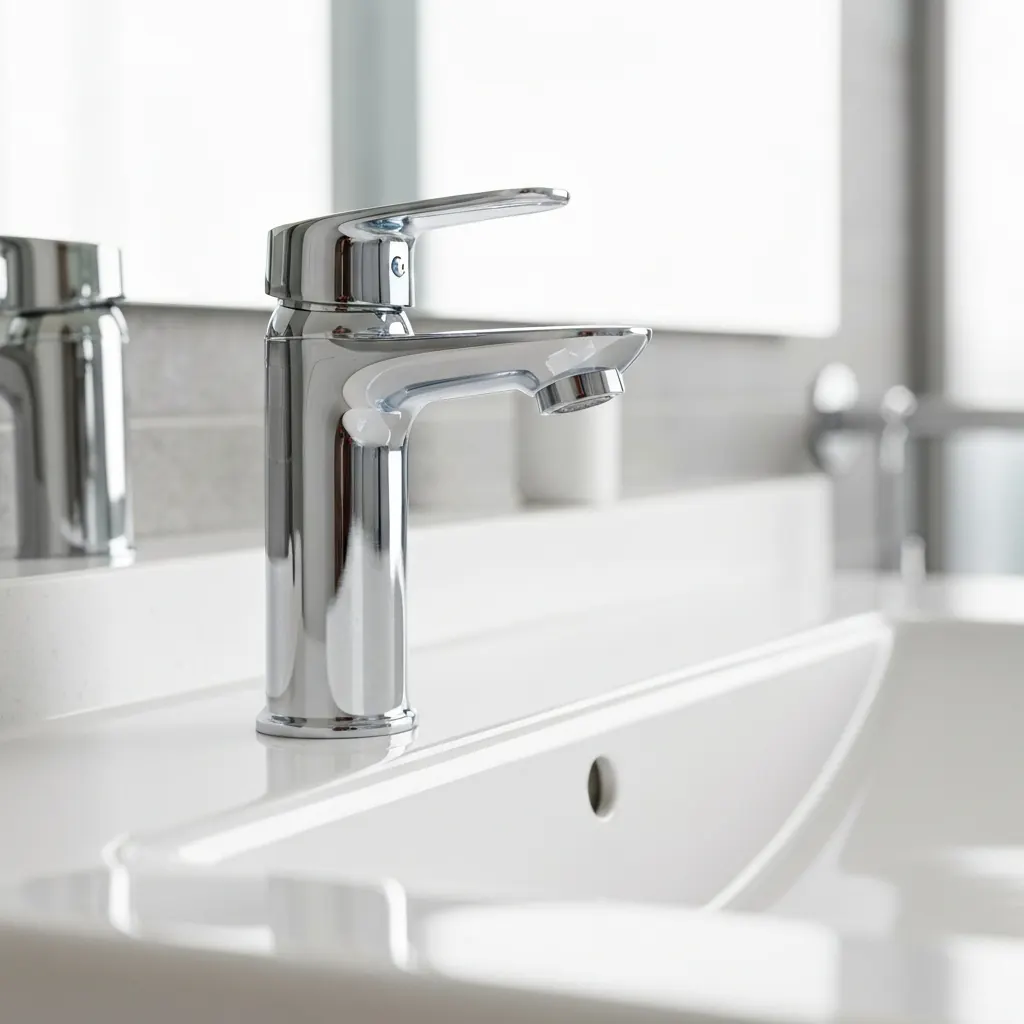
Winning the Battle Against Mineral Buildup
If you live in Valdosta or the surrounding South Georgia areas, you are likely familiar with the persistent, frustrating reality of hard water. You clean your bathroom until it shines, but within days, a chalky white film returns to your faucets, and cloudy spots obscure your glass shower doors. This isn't a sign of poor cleaning; it's a chemical reality of the local water supply.
Hard water contains high levels of dissolved minerals, primarily calcium and magnesium. When the water evaporates, it leaves these minerals behind, creating stubborn deposits known as limescale. In this guide, we'll explain how hard water impacts your home and share the most effective, professional-grade techniques for removing it.
The True Cost of Hard Water
Hard water is more than just an aesthetic annoyance; it can cause real damage to your home over time.
- Plumbing Fixtures: Mineral buildup can clog showerheads, reduce water pressure, and corrode the finish on expensive faucets.
- Glass Shower Doors: If left untreated, hard water minerals can actually etch themselves permanently into the glass, causing irreversible cloudiness that no amount of cleaning can fix.
- Appliances: Limescale builds up inside dishwashers and washing machines, reducing their efficiency and shortening their lifespan.
- Soap Scum: Hard water reacts with the ingredients in bar soap to create a sticky, stubborn soap scum that clings tenaciously to tubs and tile.
The Golden Rule: Acid Beats Minerals
Standard all-purpose cleaners are generally alkaline (basic) and are designed to cut through grease and organic dirt. They are completely ineffective against mineral deposits. To dissolve calcium and magnesium, you need an acid.
The Best DIY Solution: White Vinegar
Plain, distilled white vinegar is an incredibly effective, inexpensive, and safe acid for tackling hard water stains.
How to Clean Specific Areas
1. Faucets and Fixtures
The crusty white buildup around the base of your faucets and the aerator can be tough to scrub away.
- The Soak Method: Soak a paper towel or a clean rag in pure white vinegar and wrap it tightly around the affected area of the faucet. Let it sit for 30 to 60 minutes. The acid will slowly dissolve the minerals.
- The Scrub: Remove the towel and use an old toothbrush to gently scrub away the softened limescale. Rinse with plain water and dry immediately with a microfiber cloth to prevent new spots from forming.
- For Showerheads: Fill a plastic sandwich bag with vinegar, submerge the showerhead in the bag, and secure it with a rubber band. Leave it overnight, then run the hot water to flush out the dissolved minerals.
2. Glass Shower Doors
This is often the most frustrating area for homeowners. The key is to cut through both the mineral deposits and the accompanying soap scum.
- The Mixture: In a spray bottle, mix equal parts white vinegar and water. Add a squirt of liquid dish soap (like Dawn). The vinegar dissolves the minerals, while the dish soap cuts through the soap scum and helps the solution cling to the vertical glass.
- The Application: Spray the mixture generously over the glass doors. Let it sit for 15-20 minutes. Do not let it dry.
- The Scrub: Use a non-scratch scrubbing sponge to work the solution into the stains.
- The Rinse: Rinse thoroughly with warm water. Use a squeegee to remove the water, then buff dry with a microfiber cloth.
3. Toilets
Hard water often leaves a stubborn dark ring at the water line in the toilet bowl.
- The Process: Pour a cup of white vinegar directly into the bowl and swish it around with the toilet brush. Let it sit for at least an hour (or overnight).
- The Scrub: Sprinkle baking soda onto the toilet brush and scrub the ring. The mild abrasive action of the baking soda combined with the vinegar will lift the stain. Flush to rinse.
Preventing Hard Water Buildup
The best way to deal with hard water is to prevent the minerals from drying on the surfaces in the first place.
- The Squeegee Habit: Keep a squeegee in your shower and use it to wipe down the glass doors and tile walls after every single use. It takes 30 seconds and prevents 90% of buildup.
- Dry Your Fixtures: Keep a small microfiber cloth near your sinks. After you wash your hands or do the dishes, quickly wipe the water drops off the chrome faucets.
- Consider a Water Softener: If the hard water is causing significant damage to your appliances and requires constant, exhausting cleaning, investing in a whole-home water softening system may be the most cost-effective long-term solution.
When to Call the Professionals
If you've recently moved into a home where the hard water stains have been neglected for years, standard vinegar treatments might not be enough. Professional cleaning services have access to commercial-grade, specialized descalers that can safely remove heavy buildup without damaging the underlying finishes.
Tired of Scrubbing?
Let the professionals at King Neat Cleaning Services restore the shine to your Valdosta bathrooms.
Get a Deep Cleaning Quote
Written by
Ryan TrevinoFounder & CEO, King Neat Cleaning
Ryan Trevino founded King Neat Cleaning Services, a veteran-owned cleaning company serving Valdosta, Hahira and Lowndes County. He built the company around the "Royal Standard", the checklist and training every King Neat cleaner follows, and shares what his team has learned cleaning South Georgia homes and businesses.